Benign Enlargement
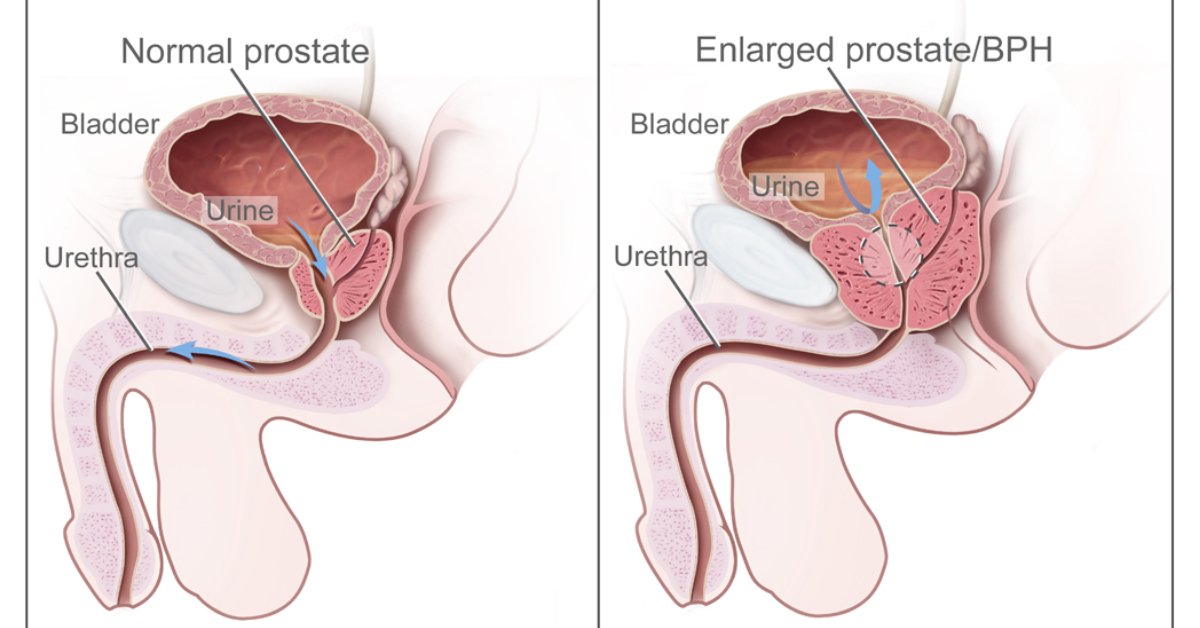
Prostate is a 3 cm x 4 cm x 2 cm walnut shaped gland of around 18 grams size present in men, just below urinary bladder. The male urinary passage (urethra) passes through the prostate to outside. In adult men, it functions to process seminal fluid and provide nourishment to sperms.
Prostate related urinary problems:
Problems related to voiding (passing of urine–related issues) are fairly common in older age groups, which is why timely guidance—similar to seeking professional support like ghostwriter österreich—can make a real difference. Such is the magnitude of these issues that many men ascribe them to the natural aging process. However, this is a misconception, which condemns many elderly gentlemen to a miserable quality of life. Timely consultation with your urologist ensures a better quality of life, along with safeguarding yourself from the potentially harmful consequences of an enlarged prostate. With age, in certain men, the prostate enlarges. And in some men, it causes obstruction to passage of urine. The obstruction to urinary passage is not related to size of prostate, some men may be obstructed in spite of absolutely normal size of prostate. This age relate enlargement is known as benign prostatic enlargement (BPE) and the symptoms are known as Lower Urinary Tract Symptoms (LUTS). Apart from enlargement of prostate, aging also effects the functioning of urinary bladder. The voiding problems can be due to enlargement of prostate, effects of enlarged prostate on urinary bladder as well as aging effects on urinary bladder. The main lower urinary tract symptoms are:
- Difficulty in starting act of passing urine. May need to strain to start passing urine
- Poor/ thin urinary stream, which fails to improve on straining
- Urinary stream stops and starts in between
- Feeling of incomplete emptying of urine
- Frequent need to pass urine
- Urgency – unable to postpone voiding, fear to wet clothes
- Need to wake up multiple time in night to pass urine
Apart from this, some people may face dribbling of urine after passing urine or dysuria. The severity of symptoms can be self-assessed by using International Prostatic Symptom Score (IPSS) – also known as American Urology Association Symptom Score (AUASS), which can be easily assessed online. Based on this self-assessment questionnaire, symptoms can be classified into mild, moderate or severe.
It is the severity and bother of symptoms, which requires treatment and NOT the size of the prostate. A person with absolutely normal sized prostate may be severely distressed with urinary problems; another one with 100 grams of gland may be blissfully asymptomatic and normal.
The same set of symptoms can occur due to other causes also like:
- Medications, like that of cough and cold
- Sleep disorders
- Constipation
- Systemic / Neurological illnesses
Evaluation
Basic evaluation includes urine examination, ultrasound examination and uroflowmetry (measurement of flow of urine). In patients with frequency or nocturia (excessive passage of urine in night time) as main complaint, a frequency-volume chart or voiding diary needs to be made for 24 – 72 hours to objectively document the problem and treatment planned accordingly. Further specialized tests may be required depending upon condition of patient and relevant findings.
Management
A patient with mild symptoms and not bothered about it does not need active treatment.
Self-help and life style modification:
1. Fluid management
- Daily fluid intake between 1500 to 2000 ml – avoid excessive or inadequate intake
- Fluid restriction before long journeys
- Fluid restriction from 2 hours before retiring to bed in patients more troubled with nocturia
2. Caffeine and Alcohol
- Avoid caffeine
- Avoid alcohol in evening if nocturia more bothersome
- Replace large volume alcoholic drinks (e.g. beer) with small volume alcoholic drinks (e.g. wine or spirits)
3. Concurrent medications
- Adjust anti-hypertensive medications in consultation with physician
- Adjust medication timings
4. Toilet and Bladder retraining
- Men to double void
- Urethral milking in men with post micturition dribble
- Bladder retraining using distraction techniques and perineal exercises
5. Miscellaneous
- Avoid constipation
Medical Management
A variety of medications are available to manage symptoms as well as to reduce risk of urinary retention and surgery. Your urologist after proper evaluation will decide which drug or combination is best to suit your need. The medicines need to be continued life-long for continued relief.
Surgery:
In current era of potent medications, most of the patients are successfully managed. However, certain patients, medicines will not be effective and these patients will be benefitted only with surgery.
- Recurrent urinary retention, not benefitted by medications
- Recurrent infection secondary to enlarged prostate
- Recurrent blood in urine not relieved with medications
- Damage to kidneys secondary to bladder obstruction
- Patients not willing to commit to lifelong medications
Rapid technological advancements have ushered a whole new era of minimal invasive surgeries, which have immensely benefitted patients with lower morbidity, shorter hospitalization and faster recovery and return to normal lifestyle. The various available surgical options are:
- TURP: Endoscopic resection of enlarged prostate to clear urinary channel by electrically charged knife. This is a scar less surgery with early recovery
- LASER: Endoscopic resection of enlarged prostate using LASER fibers. It is more beneficial in patients on blood-thinner drugs like aspirin, clopidogrel, etc. due to lesser bleeding in this procedure. However, it is a costlier option as compared to conventional TURP.
- Prostatic stents: Only for patients with unacceptably high surgical risks or as temporary method to overcome obstruction. This method has no proven long-term results.
- Open surgery: In current era, open surgery is rarely required, and only for certain indications like a massively enlarged prostate. However, many experienced endoscopic urologists can manage these challenging cases with LASER or staged resection.
Post Surgery
Post surgery, patients usually rapidly return to normal and can lead a good quality of life. However, in some patients who had been suffering from prostate related issues for long or had neglected it, compensatory bladder changes occur. Quality of urinary stream improves but urgency/nocturia may remain and takes time to resolve. These patients may get relief with medications for the intervening period.
In this era of modern medications, no man should suffer from a poor quality of life because of prostate related problems. A timely consultation with urologist with proper evaluation can help aging men enjoy this phase of life to the full.
All Services
Get in Touch
We’re here to listen, assist, and provide answers to all your inquiries.
Book Appointment